A Green Agenda: Building a Healthier and More Sustainable Future for Yerevan
Today, the value of a building is measured not only by its architecture, height or technological solutions. Increasingly, what matters is the impact a building has on the environment and how it affects the lives of the people who live, work and spend time within it.
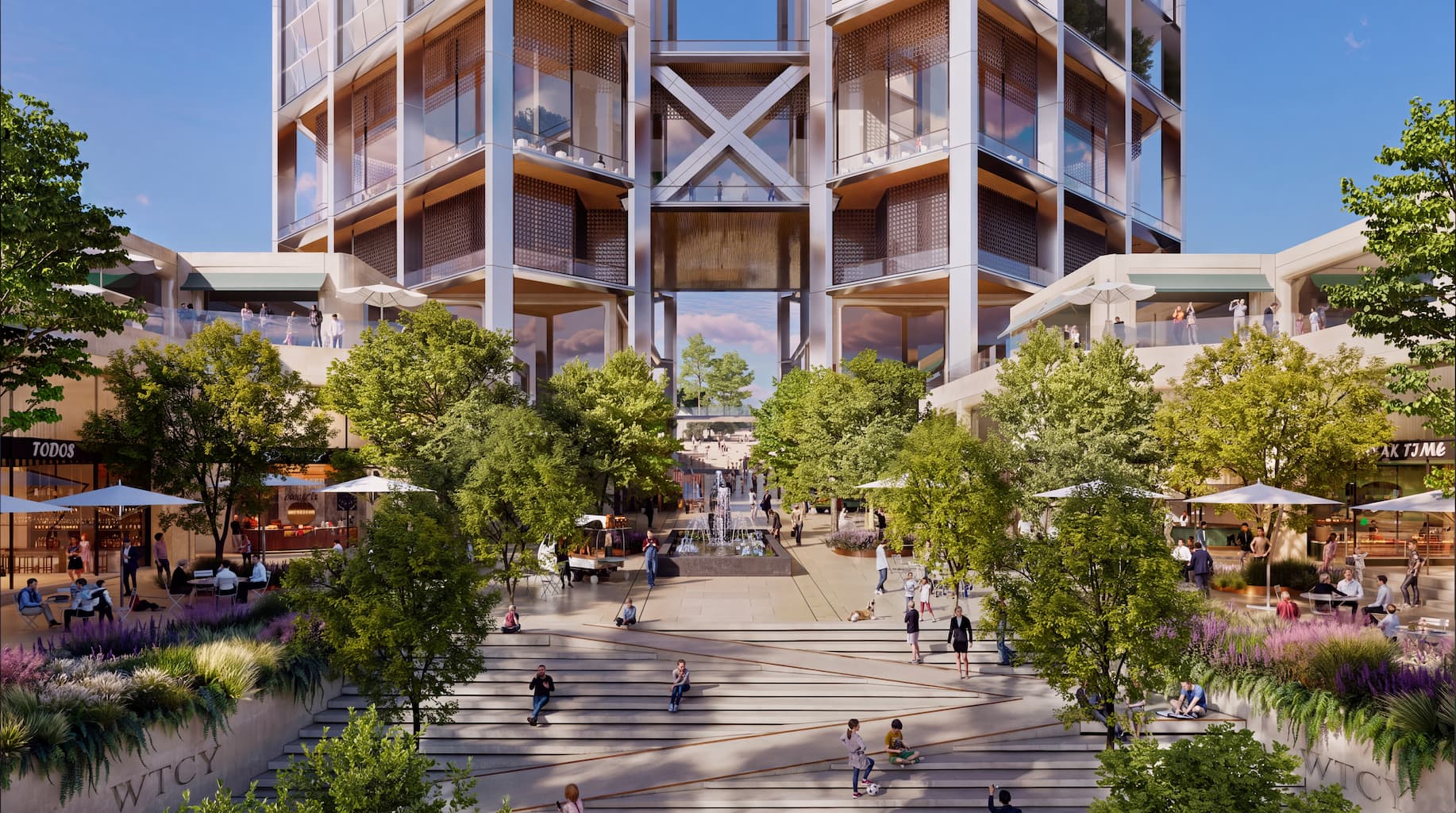
This idea lies at the heart of WTC Yerevan's design philosophy. The WTC Yerevan mixed-use development is planned and designed with a responsible approach to the environment and in line with international standards, with the aim of making a meaningful contribution to Armenia's sustainable development agenda.
By bringing together innovation and global best practices, we are creating a future-focused, comfortable and people-centred urban environment that combines state-of-the-art design with the principles of sustainable development aspiring to become a Grade A building designed with net-zero emissions, with ambitions to achieve LEED Gold and WELL Gold certification.
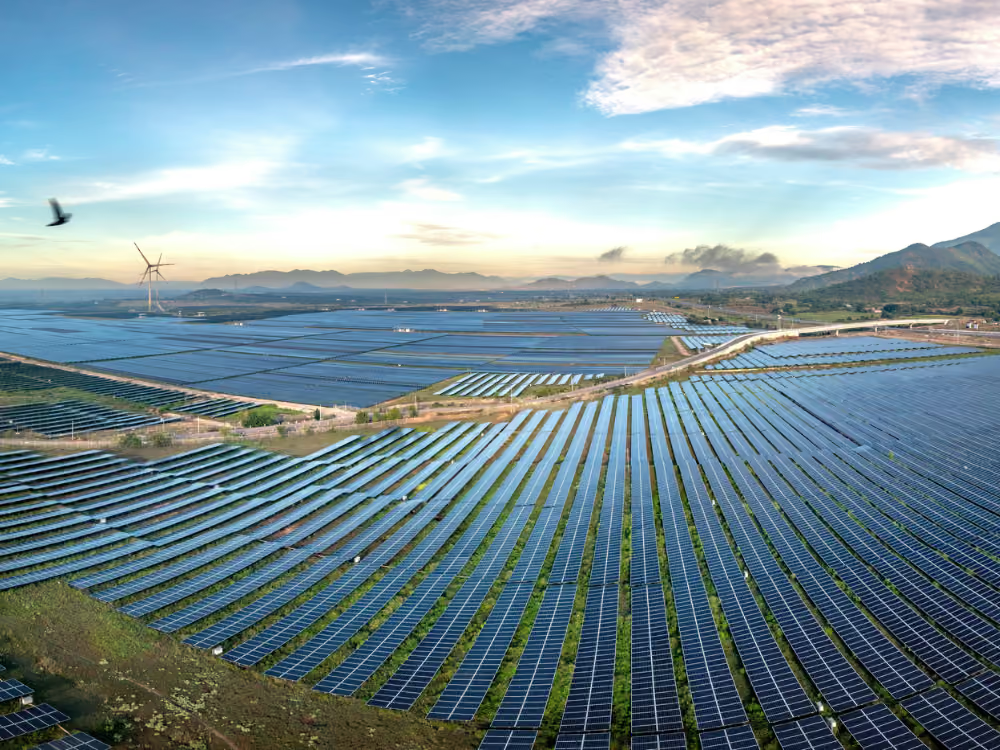
Through energy-efficient design, the integration of renewable energy, the efficient use of resources, and the use of sustainable materials with lower embodied carbon, WTC Yerevan contributes to building a greener and more sustainable future. At the same time, natural ventilation, passive heating, biophilic solutions and approaches designed to create a healthy indoor environment make sustainability an integral part of people's everyday lives and wellbeing.
WTC Yerevan aspires to become the first building in Armenia to pursue both LEED Gold and WELL Gold international certifications as part of its design and construction process, setting a high benchmark for what the buildings of the future can be.
What Do These Two Certifications Really Mean?
What Is LEED?
LEED (Leadership in Energy and Environmental Design) is one of the world's most widely recognised green building rating systems. It evaluates how responsibly and efficiently a building is designed and constructed from an environmental perspective.
At the heart of LEED is a simple but important question: How can a building reduce its impact on the environment while remaining efficient and comfortable for people? The assessment considers a number of important areas, including:
- efficient energy use
- reduced water consumption
- the building's location and relationship with thesurrounding urban environment
- opportunities for sustainable transportation andmobility
- material selection and responsible resource use
- waste management during construction and buildingoperations
- indoor environmental quality and innovative solutions.
LEED certification is not awarded simply because a building has landscaped areas or solar panels. It evaluates the building's holistic approach, from design decisions to resource use and operational efficiency. In other words, a sustainable building is not the result of a single technology or solution. It is the outcome of many interconnected decisions.
What Is WELL?
While LEED focuses largely on the relationship between abuilding and its environment, the WELL Building Standard is centred around human wellbeing.
We spend most of our lives indoors working, living and interacting with others. For this reason, the environments in which we spend our days can affect our health, comfort, ability to concentrate and overall wellbeing. WELL evaluates how a building's environment supports people's health and wellbeing. It considers factors such as:
- air quality
- water quality
- natural and artificial lighting
- thermal comfort
- acoustic conditions
- opportunities for movement and physical activity
- spatial solutions that support health and wellbeing
- psychological and social wellbeing
Two Standards, One Holistic Vision
LEED and WELL certifications focus on different areas, but together they create a more complete vision of what a building of the future can be.
LEED asks: How does a building care for the planet?
WELL asks: How does a building care for people?
WTC Yerevan's vision lies in bringing these two ideas together. This means creating an environment that not only reduces resource consumption and environmental impact, but also considers the people who will live, work and spend time there every day.
Natural light, clean air, landscaped spaces, thermal comfort and areas designed for movement and social interaction are just as important here as energy-efficient and water-saving technologies.
How Does a Building Achieve LEED or WELL Gold Certification?
Achieving international certification is not a label awarded at the final stage of a project. It is a process that begins from the earliest stages of design.
The building's designers and specialists define sustainability and human wellbeing goals, study the relevant standards and develop design solutions in line with their requirements. Different solutions and performance indicators are then assessed and documented according to the requirements of each certification. The process may include:
- monitoring energy and water consumption
- proper management and maintenance of the building'sengineering systems
- monitoring indoor air quality
- maintaining thermal and lighting comfort
- effective waste management systems
- approaches to using healthy and safe materials andcleaning products
- ongoing care for landscaped areas and the overallenvironment
Gold certification represents a high level of achievement against established standards. It means that a building must not only meet fundamental requirements but also demonstrate stronger performance across a range of areas.
The certification process, in essence, helps the entire design and development team work towards a shared goal: creating an outcome that is measurable, verifiable and aligned with international standards.
Sustainability Begins with Design, but Does Not End with Construction
Building sustainably is not simply about choosing the right materials or installing energy-efficient equipment. A building's real performance also depends on how it operates over the years. This is why the idea of certification is closely connected to a building's culture of operations and management. This may include:
- assessment of design solutions and technicaldocumentation
- analysis of energy efficiency and resource use
- review of the materials and systems being used
- measurements and assessments related to the building'sindoor environment
- documentation of completed work
- independent assessment and verification processes
Sustainability is not a one-time goal. It is an ongoing responsibility. A building must not only be designed to perform well, it must also be properly managed, maintained and developed over time.
What Do People and the City Gain?
Buildings designed according to LEED and WELL principles can transform people's everyday experiences.
Imagine a workplace where natural light plays a greater role, air quality is carefully considered, temperatures are designed for human comfort and green spaces become a natural part of the day. Or imagine an urban space where a building is not simply an enclosed structure, but also creates open, green and accessible environments for people.
This is the value that sustainable and people-centred architecture can bring to a city.
For businesses, such buildings can also create higher-quality workplaces, supporting employee wellbeing, organisational attractiveness and responsible long-term operations. For cities, they can set anew benchmark, demonstrating that economic development, high-quality architecture and environmental responsibility can evolve together.
Sustainability as Part of Urban Life in the Future
The cities of the future are not simply about taller or more technologically advanced buildings. They are about people's quality of life.
They are about how comfortable our working environments are. How much natural light and green space are part of our everyday lives. How responsibly we use energy and natural resources. And ultimately, what kind of city we are creating for future generations.
For WTC Yerevan, aspiring to LEED Gold and WELL Gold certification is not simply about achieving international recognition. It is an expression of a broader philosophy: to create an environment where sustainability and human wellbeing work together.
Greener. Healthier. More responsible. And, above all, designed around people.
WTC Yerevan aspires to become part of that future bringing together global standards with Yerevan's distinctive character, climate and vision for the years ahead.